Spain Delays Its Nuclear Crunch
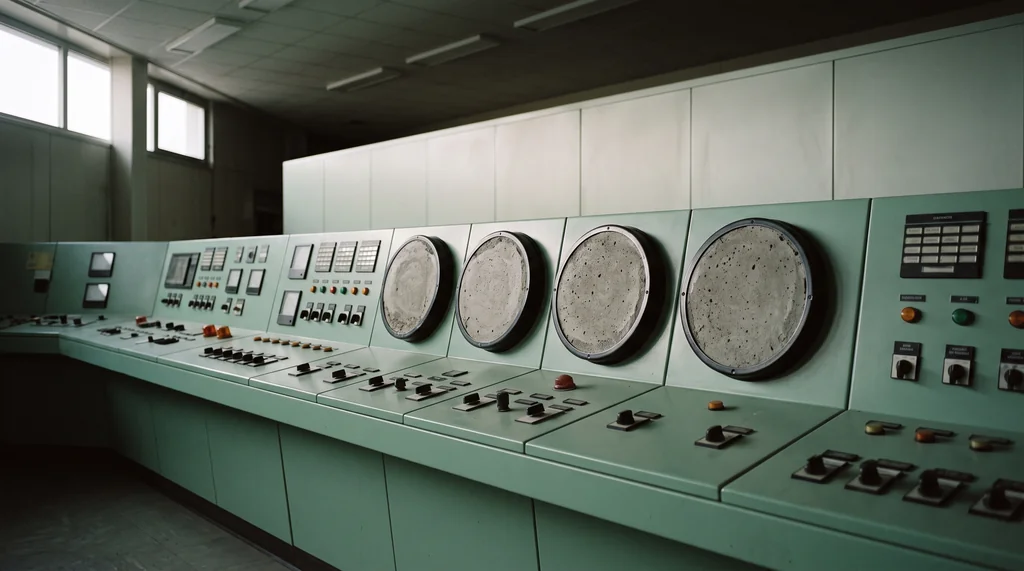
Spain delays four shutdowns, then brings their deadlines dangerously close.
Kompożizzjoni tal-immaġni · tobriefSpain has given both reactors at Almaraz, its largest nuclear plant, permission to keep running until 8 June 2030 (BOE). Unit I was due to close in November 2027, Unit II in October 2028. The ecological transition ministry, MITECO, justified the extension by pointing to energy-market uncertainty caused by the Middle East conflict and the war in Ukraine (MITECO).
For Maltese readers, the mechanism matters. This is the same European electricity market logic that helped send bills through the roof in 2022: gas often sets the wholesale price, even when much of the power in the system comes from cheaper sources. Spain is buying cheaper electricity in the short term, but it is also pushing several nuclear closures into the same narrow window around 2030.
Why Almaraz keeps gas bills down
Almaraz is not a marginal plant. In 2025 it generated 14,752 gigawatt-hours of electricity, about 7% of Spain's total supply and 28.5% of its nuclear output (Infobae/EFE, El Periódico de la Energía).
The effect on bills comes through Europe's wholesale electricity market. Power stations bid hour by hour, and the most expensive plant needed to meet demand sets the price paid to all successful generators. When that last plant is gas-fired, the wholesale price reflects the cost of gas and carbon permits. A large block of nuclear generation means gas plants are needed in fewer hours, so they set the price less often.
MITECO's modelling says keeping Almaraz online until 2030 reduces gas-fired generation by 7% compared with Spain's national energy plan, while cutting renewable output by only 1.4% (MITECO, EFEverde). The ministry has not published a household savings figure. The logic, however, is straightforward: less gas in the price-setting mix means less exposure to the kind of spikes Europe saw in 2022.
The 2030 pile-up
The extension does not cancel Spain's nuclear phase-out. It compresses it. Before this order, closures were spread out: Almaraz I in 2027, Almaraz II in 2028, then other reactors later. Now both Almaraz units are due to close around the same time as Ascó I and Cofrentes, with Vandellós II and Trillo following before the fleet-wide 2035 deadline (Euronews, World Nuclear Association).
That changes the job facing Spain. Instead of replacing one reactor at a time, it will have to manage four closures close together, build more replacement capacity at once, and handle several decommissioning processes in parallel. For a small island like Malta, where one interconnector fault or one LNG supply problem can quickly become a national issue, the Spanish case is a reminder that energy security is usually decided by sequencing, not slogans.
Spain's waste agency Enresa described the extra waste from the extension as "insignificant" (BOE). But extra operating years still change the arithmetic of waste funds and future liabilities. The government has not shown how Enresa would cope with several closures landing in the same period.
Belgium's experience shows these costs are not minor. Extending two reactors there required a €15 billion liability agreement with operator Engie and EU clearance for government support (Reuters). Spain's extension involved no comparable deal.
Who gains, who loses
The clearest winners are the roughly 3,000 direct and indirect workers linked to Almaraz and the surrounding economy in Extremadura (Infobae/EFE, RTVE). The owners, Iberdrola, Endesa and Naturgy, keep earning from an already-paid-for asset, although MITECO says it rejected the tax cuts the utilities had requested (MITECO, elDiario.es). Gas generators lose running hours.
Renewable developers face a less immediate but real cost. If nuclear closure dates can move once, investors may assume they can move again. That makes long-term commitments harder, especially for projects whose revenues depend on assumptions about how much firm capacity leaves the system and when (El Confidencial). Greenpeace has put the consumer cost through 2033 at €3.831 billion, but that is an advocacy estimate, not a regulator's finding (Público).
Portugal also has a stake because it shares the MIBEL wholesale electricity market with Spain. Almaraz's output can therefore affect Iberian prices beyond Spain's borders. Portuguese environmental group ZERO has demanded that its government respond to the extension (Observador), although no public analysis has quantified the impact on bills.
The case for displacing gas before 2030 is strong. The unresolved part is what follows: four reactors closing in a tight window, more replacement capacity needed at once, and a signal to renewable investors that nuclear deadlines can be renegotiated. Spain has bought itself breathing space. It has not yet shown the plan for the pile-up waiting at the other end.
Details about this article
- Model:
- claude-opus-4-6
- Generated:
- 8/16/2026, 2:11:42 AM
- Pipeline run:
- eu_pipeline_20260816_005006
- Watermark:
- SynthID (Google's invisible watermark)
- Human review:
- None before publication