Σάββατο 03 Οκτωβρίου 2026
10 άρθρα
G7 puts diesel first in oil release
Europe could get relief from high diesel prices as the G7 releases 100 million barrels of oil and fuel over four months, with substantial diesel volumes planned for the first 20 days. Leaders also pledged not to curb exports among G7 countries, protecting a supply route Europe relies on. The unanswered questions are how much fuel is newly committed and where it will go.

Eurozone inflation hits 3.8%, core barely moves
Energy prices drove euro-area inflation to its fastest pace in three years, but core inflation rose only slightly, to 2.5%. Services prices also edged higher, leaving the ECB to judge on 29 October whether pressure is spreading. Another rate rise could reach Finnish mortgage holders at their next review, while doing little to lower fuel or heating bills.

Europe’s 12-river flow hits record low
Europe’s major rivers carried less water at their outlets this summer than in any summer in Copernicus’s model record, which begins in 1992. Low flows can force cargo barges to carry lighter loads, raising the cost per tonne. Heat was widespread too: 52% of Europe’s land reached very strong heat stress at least once, a measure of peak conditions rather than how many people were exposed.

Seventeen EU countries draw a budget line
Farm and regional funding is the dividing line in the EU’s next budget talks. Seventeen governments want it preserved, while six wealthier countries want the overall budget cut by several hundred billion euros. Ireland is revising the draft for an October summit, where leaders will have to confront the missing numbers: how much funding the 17 want protected, and who would pay for it.

Lecornu’s budget needs Socialist abstention
France’s prime minister needs opponents to refrain from bringing down his government as he seeks to cut the deficit to 5.0% of GDP in 2027. The Socialists want him to shift more of the burden onto wealthier taxpayers before Assembly debate opens on 13 October. Employers say the proposed measures already ask too much of businesses.
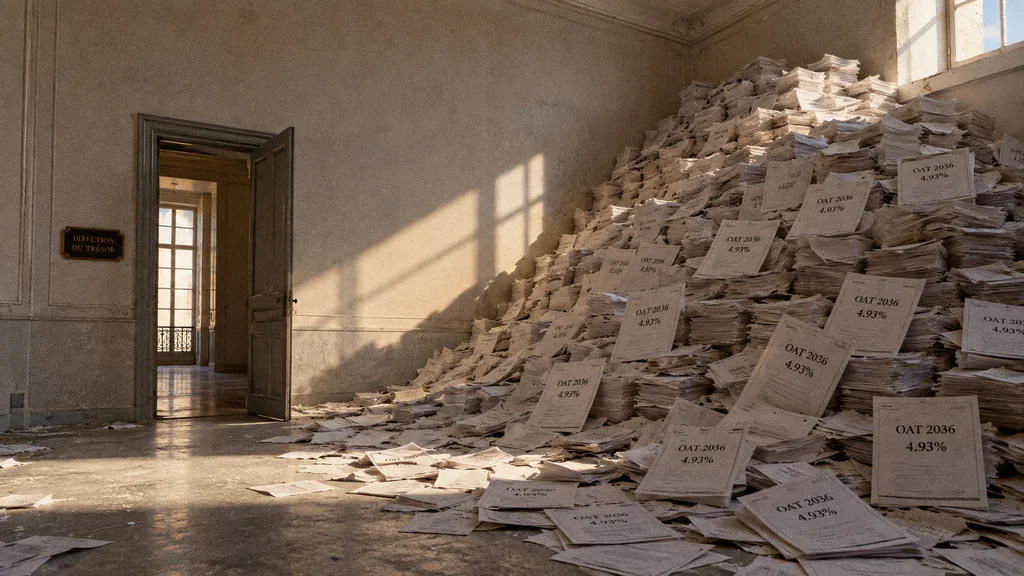
France sells €12 billion, pays more
France found buyers for every long-term bond it offered on 1 October, but investors demanded higher returns. The yield on its November 2036 bond rose to 4.93%, from 4.23% at the previous sale. Existing fixed-rate debt is unaffected; the budget pressure builds as bonds mature and France replaces them at current rates.
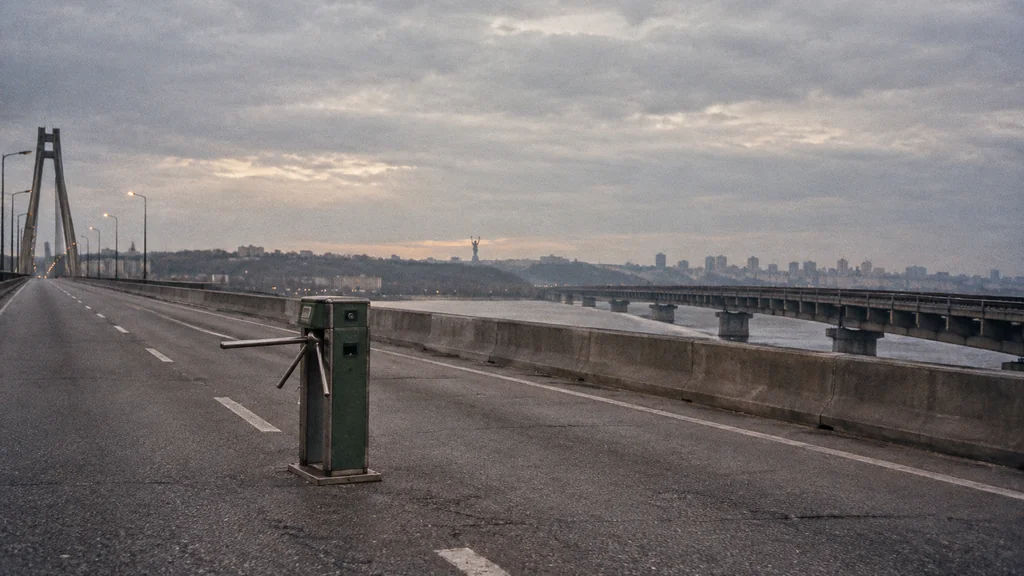
Drone strikes shut Kyiv’s road-and-metro bridge
Kyiv’s Southern Bridge remains closed to cars and metro trains after repeated Russian drone strikes damaged parts of the crossing. Buses have been diverted and traffic pushed onto other bridges, lengthening journeys across the Dnipro. Specialist institutes must assess whether the road and exposed metro section are safe before either can reopen.

Spain’s renters lose two-year lease extension
Spain’s Congress rejected both of Pedro Sánchez’s emergency housing decrees on 2 October, ending new protections for tenants whose leases are expiring and vulnerable households facing eviction. Junts’ votes defeated the broader package, leaving existing rental law in place. The decrees do not say what happens to extension requests tenants filed during the roughly one day the measure was in force.
Italy seeks €29 billion in borrowing room
Rome wants to borrow beyond its agreed budget path in 2027 and 2028 for defence and energy projects, even after cutting its initial defence request by about €7 billion. Parliament and EU finance ministers must approve the plan. The energy money could fund insulation and efficiency upgrades, but cannot be used to lower household bills this winter.

Romania’s rating holds as budget talks stall
Romania remains one notch above junk after S&P kept its BBB− rating on 2 October, but its negative outlook leaves a downgrade in play. The deficit has narrowed under a caretaker government. S&P’s forecast for further cuts depends on parties forming a government that can pass future budgets, a task parliament has failed to settle.