Τετάρτη 14 Οκτωβρίου 2026
10 άρθρα
Europe’s €87 gas hits importers first
Winter gas reached €87.20 per megawatt-hour on 13 October as disrupted Qatari exports and lower European stocks tightened the market. Companies replacing missing cargoes face today’s prices first. Household costs will move later and unevenly: contracts and tariff rules determine when the increase reaches bills, and this week’s jump is not yet reflected in France’s November benchmark.
Two ships hit, no Black Sea escort
Search crews are looking for 11 sailors after a drone strike sank the HS Dignity off Bulgaria; all 15 crew escaped a second ship hit that night. Bulgaria and Romania have discussed protecting merchant traffic and want Türkiye involved, but no patrol or escort has been announced. The existing joint naval mission clears mines, leaving cargo ships exposed to drones.
Ukraine’s school law opens 17 EU chapters
Ukraine and Moldova each opened 17 chapters of EU membership talks on 13 October, bringing both to four of six negotiating clusters. Ukraine’s move followed a minority-schools law demanded by Hungary, which then gave its consent. Two clusters remain unopened, and Budapest will have another chance to withhold approval unless EU governments change the voting rules.
Hormuz crossings now hinge on crews
Six ships were reported attacked in and around Hormuz on 11 October, leaving owners, captains and crews to decide whether each voyage goes ahead. Traffic has thinned, and European shippers already face higher charges. No European cargo has been reported cancelled because of the attacks, but Qatari gas bound for Europe has no route around the strait.
Treasury clears Russian diesel; Congress bans it
The US Treasury has licensed Russian diesel sales and imports through 7 April 2027, but a 2022 law still bars the fuel from entering the United States. No cargo under the arrangement has been verified, and Treasury has not explained its legal basis for permitting imports. Twelve senators from both parties want the licence rescinded; the EU’s import ban remains in force.
Kyiv heat plant hit as launch warnings fail
A Russian ballistic missile struck a plant that heats parts of Kyiv, but its damage and the number of homes affected remain unknown. Zelenskyy says allies gave no launch warning for the second consecutive night. The strike also sharpens questions about an energy ceasefire that Trump announced but Moscow never publicly accepted.
Refrigeration hack hits 700 French supermarkets
About 700 French food stores were affected after attackers changed settings on refrigeration controllers, forcing staff to check whether chilled and frozen stock was safe to sell. Similar tampering has now been reported on equipment from a second manufacturer. A separate network incident has disrupted deliveries to Belgian supermarkets, but officials see no evidence linking it to France.

France’s 5% deficit target needs replacements
France’s government needs lawmakers to preserve enough tax rises and spending restraint to cut the deficit to 5% of GDP in 2027. Committee amendments would erase that improvement if adopted without replacements, though the full Assembly is still debating the bill. Socialists and Republicans want different changes, and an optimistic growth forecast leaves little room for a weaker economy.

Ireland’s €1.622tn budget cuts shared EU programmes
Ireland’s draft EU budget protects most national funding for farms and regions by taking deeper cuts from jointly run programmes, including research, industry and defence. Six governments still want a smaller total, while Parliament’s negotiators say the plan would buy less than today’s budget. Leaders will discuss it on 15–16 October; any government can block a final deal.
Thwaites could add 30 millimetres by 2100
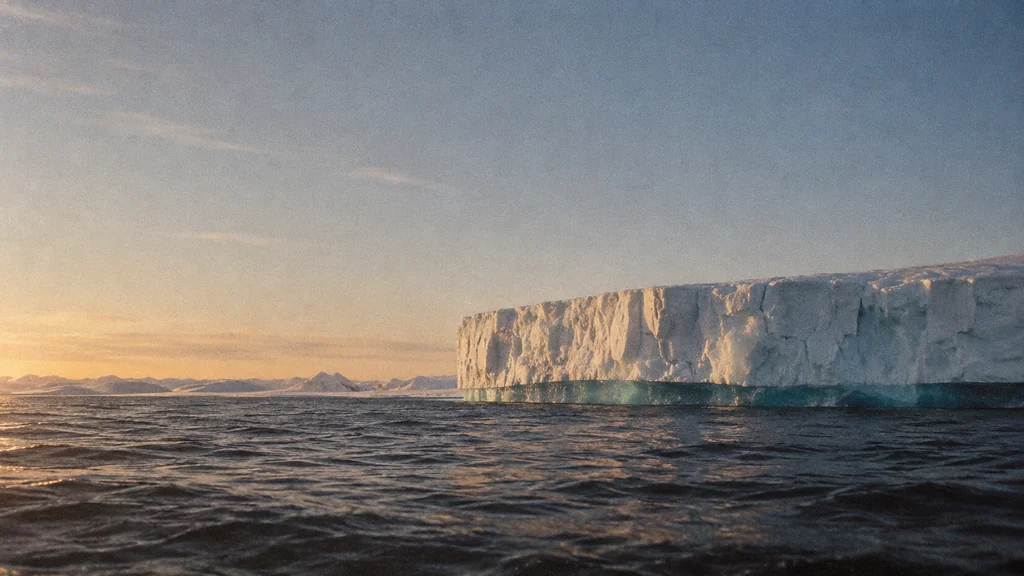
Seawater melting ice where Thwaites still grips the seabed could make the glacier a larger contributor to global sea-level rise than many models suggest. A new study projects about 30 millimetres by 2100 when it includes that melting, versus 8.3 millimetres in the same model without it. The comparison holds the climate steady to isolate the effect.